Shows that publish on a schedule
A podcast or channel where the next recording arrives before the last one is out. Consistency across episodes matters more than any single edit being clever.
"Versmos team is super talented and very quick. Easy to work with and gets the vibe effortlessly." - Dilpreet Kaur Founder & CEO at South Asian Today
A long recording rarely loses people because it is long. It loses them when they stop knowing where they are in it. We cut for structure first: what the sections are, where they change, and what tells the viewer a new one has started.
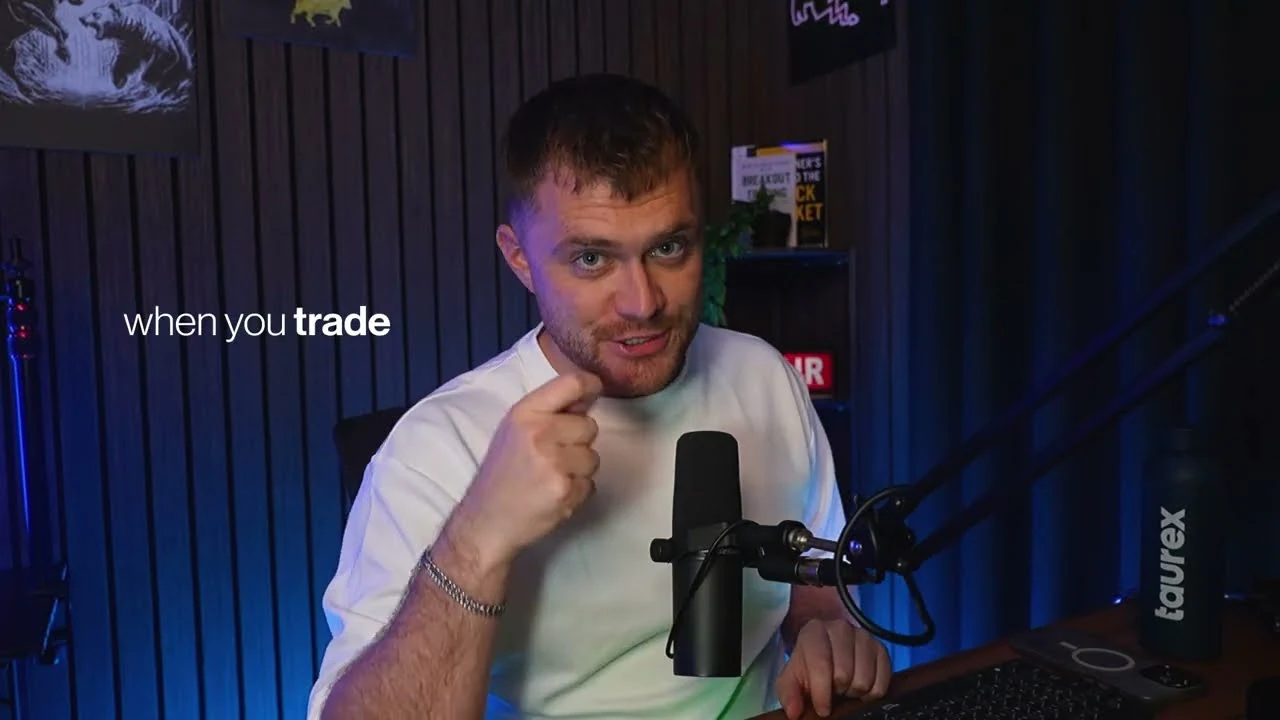










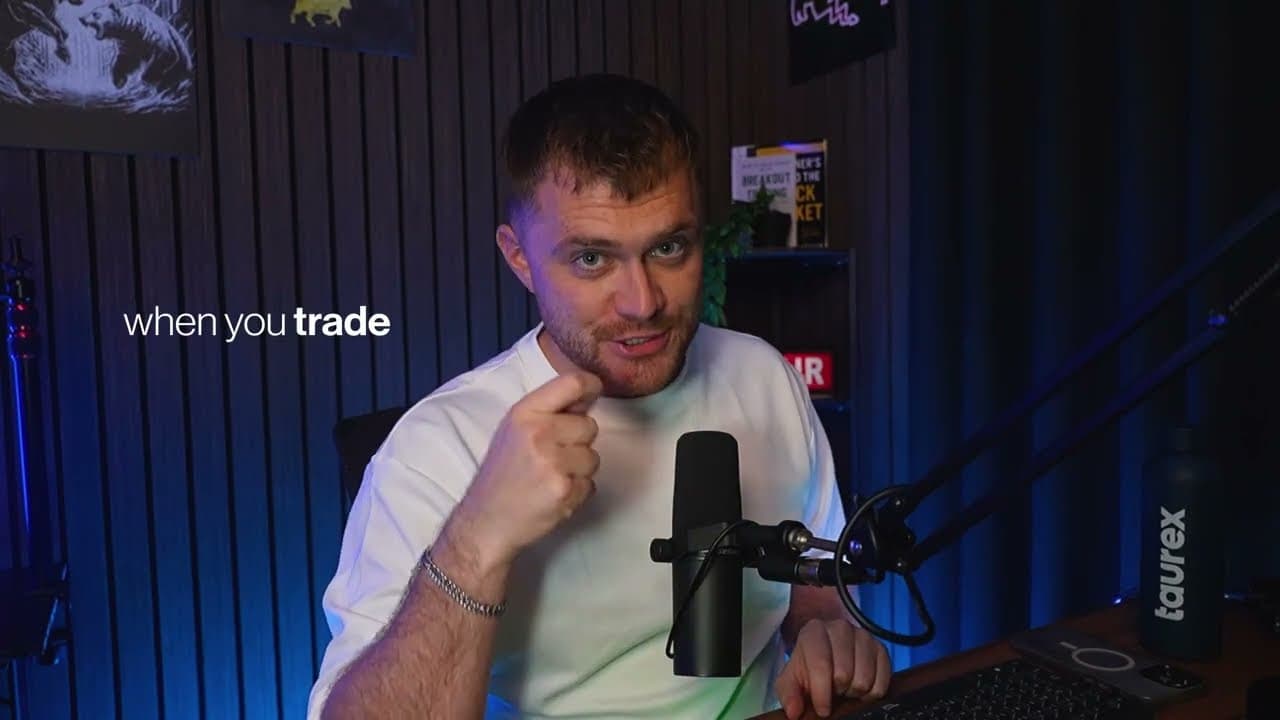
Attention decays across a long runtime, and it decays fastest when the viewer cannot tell whether the current section is going anywhere. Marking structure fixes more of that than tightening pacing does: a visible section change, a title where a new idea starts, a summary beat before the next one. On the Taurex Academy course we used motion for exactly that job, so a learner always knew where they were inside the module. The other half is what gets removed. Restarts, tangents that resolve nowhere, the two minutes of setup before the interesting answer. Cutting those is easy. Deciding which tangent is quietly the best part of the recording is the judgement the edit is being paid for.
Podcasts, interviews, YouTube videos, and branded content
Clean pacing, structure, and platform-ready delivery
Built for ongoing publishing and repeat content workflows
Single or multi-camera, cut to the moment the answer starts rather than the moment the question ends.
Recorded teaching cut into followable sections, with one treatment held across the series so later modules stay in system.
Charts, diagrams and callouts built over presenter footage where the camera cannot show what is being described.
Restarts, filler and dead air removed so a stop-start take reads as one continuous thought.
Chapter titles, section markers and lower thirds that tell a viewer where they are without the presenter having to say it.
Levels, noise, sync and colour brought to one baseline across the full runtime rather than patched shot by shot.
Demos and captured screens cut in at readable size, scaled to the part being discussed instead of pasted in whole.
The short-form moments spotted during the cut, delivered alongside the full episode while they are still fresh.
Camera files, screen recordings, separate audio and any run sheet or script. We work from what was recorded; nothing gets reshot to start.
We watch it through and come back with a running order: what stays, what goes, where the sections break. Settling that before the fine cut is what prevents a re-edit later, because moving a section once the graphics are in is expensive.
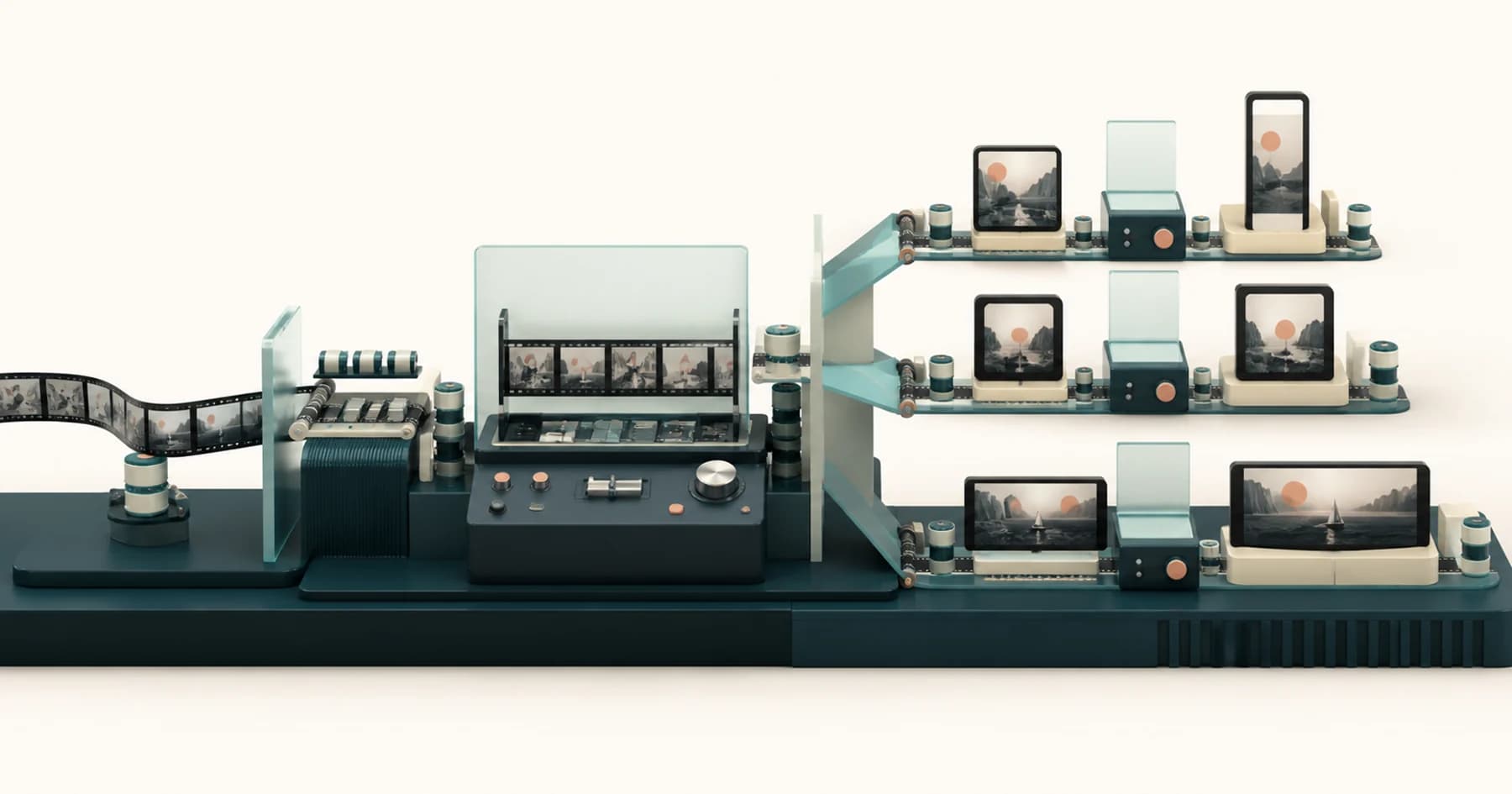
The cut is built to the agreed structure, then audio, colour and pacing are levelled across the whole runtime rather than fixed in isolated patches.
Titles, chapter markers, lower thirds and any explanatory motion the narration needs. On a series, the first episode locks the treatment and the rest are cut to it.
Master in your publishing spec, captions where the placement needs them, and the clip-worthy moments flagged during the edit.
A podcast or channel where the next recording arrives before the last one is out. Consistency across episodes matters more than any single edit being clever.
You recorded the teaching. What it needs is the layer that makes a long module followable, applied the same way across every module in the series.
Webinars, panels, internal recordings and founder interviews that were captured properly and then never edited into anything.
Who we are not the right fit for: projects that need us to run or direct the recording, and single long videos with no series behind them, where one episode has to carry the whole setup cost. We also do not write the content; we cut what was said.
Every quote comes down to the same handful of variables:
Three hours cut to forty minutes is more work than three hours cut to two and a half. The reduction is where the judgement goes.
One locked camera is a different edit from four angles plus a screen recording plus a separate audio track that needs syncing.
Titles and lower thirds are routine. Explanatory motion built for concepts the footage cannot show is a design job living inside the edit.
Clean audio and consistent lighting cut fast. Clipped audio, mixed colour temperature and drifting sync all add repair before editing starts.
A series justifies building a treatment once and reusing it. A standalone piece carries that setup on its own.
Short-form clips, an audio-only version and caption files are each separate deliverables pulled from the same edit.
We quote from raw runtime, source count, graphics load and the final output list agreed at briefing.
Cleanup of filler, pauses, and retakes is standard. Chapter markers, timestamps, lower thirds, titles, and end cards can also sit inside the edit when they are in scope. Thumbnail design, channel art, and publishing strategy are separate work and should be raised at briefing.
Yes. Send every angle and every microphone track rather than the camera's mixed audio, because separate tracks let us fix one speaker without touching the other. We sync from a shared reference in the recording, so any common sound at the top of the take helps.
Yes, and it is worth deciding before we start rather than after delivery. Knowing clips are coming changes what gets flagged during the main edit, so standalone moments are marked while we are already inside the footage instead of being hunted down in a second pass.
Runtime, how many cameras there are, how much cleanup the raw material needs, and how much graphics work sits on top. Review time is usually the largest variable rather than editing time. We commit to a specific schedule at briefing once scope is set.

5.0 out of 5
Client feedback across platforms
Have episodes recorded and waiting to be cut?
We use essential cookies. Analytics & marketing are optional. Privacy policy