
Home services contractors and the agencies running them
A homeowner choosing a roofer is making an expensive, hard-to-reverse decision. Most of our testimonial work sits in this category, produced through the agencies holding those accounts.
"Versmos team is super talented and very quick. Easy to work with and gets the vibe effortlessly." - Dilpreet Kaur Founder & CEO at South Asian Today
Testimonial footage arrives as a long, unstructured interview. The edit's job is finding the few moments that actually carry proof, cutting everything that dilutes them, and doing it without polishing the speaker into someone a viewer stops believing.
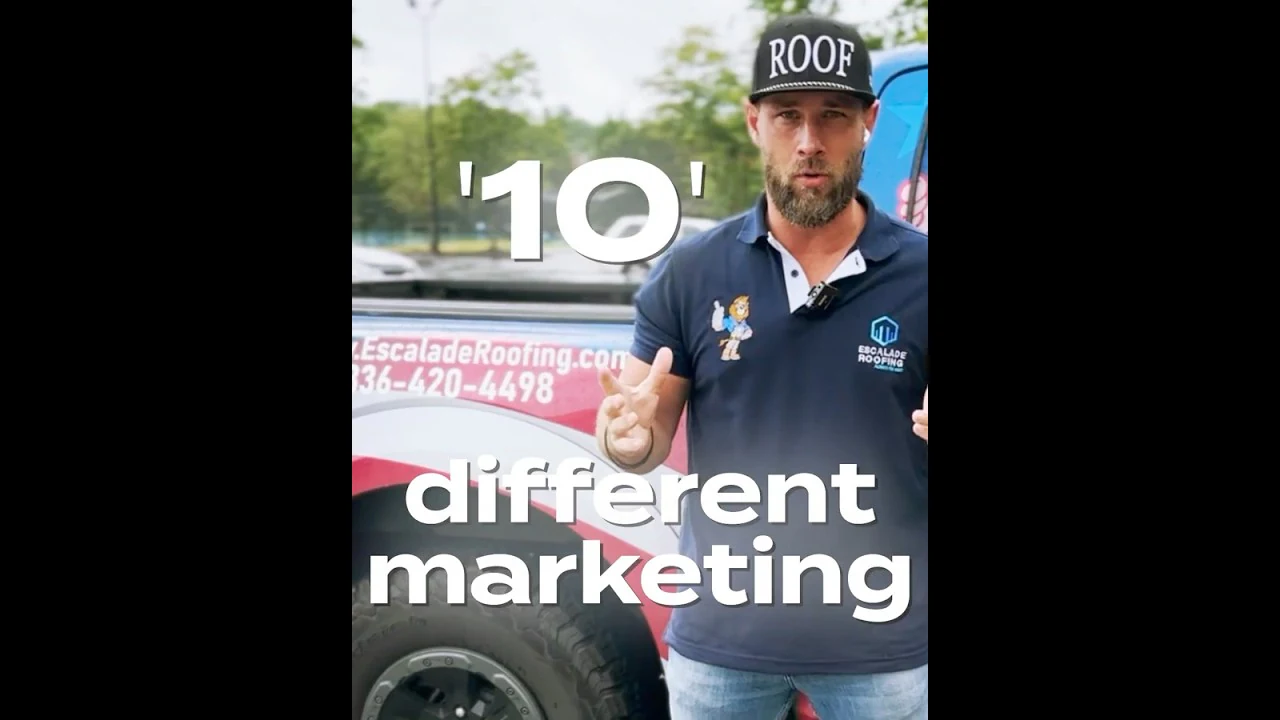










A customer talking about you produces maybe ninety usable seconds inside forty minutes of interview. The moments that count are specific: the thing they were worried about beforehand, the detail they noticed, the point at which they decided. Everything else is warmth, and warmth moves nobody who is weighing up whether to spend the money. The second discipline is restraint. Most of this work has been for home services contractors, where the buyer is a homeowner making a decision they cannot easily reverse. Heavy treatment reads as production, and production reads as an ad. Keeping the speaker plain and on screen is what keeps the account believable.
Testimonial videos for websites, campaigns, and social media
Built around customer stories, proof, and credibility
Ready for sales, marketing, and ongoing brand content
The complete customer account reduced to the parts that carry proof, in the order that makes their decision legible.
A version that opens on the most specific claim, for a page where the visitor has not agreed to watch anything yet.
Testimonials cut to run as ads, captioned throughout because they autoplay muted beside content the viewer chose.
Reframed for feeds with the speaker held in frame rather than cropped to the edge of it.
Short cuts focused on one concern, such as cost, mess, scheduling or trust, so a rep can send the one that answers what was actually asked.
Several interviews assembled into one piece, with each speaker carrying a different part of the argument.
Burned-in captions plus name, location and job type, which is often the detail that makes an account read as local and real.
Supplied job-site or product footage cut under the account so the viewer sees the thing being described.
The raw interview plus any job-site or product footage shot alongside it. Unstructured is normal; nobody answers in usable order.
We go through the footage and pull the lines that carry proof rather than sentiment, then send them back with timecodes. Agreeing quotes beforehand is faster than arguing about a finished cut, and it is the moment to flag anything the customer would not want used.
The chosen moments are sequenced into an order a viewer can follow: what the situation was, what the worry was, what happened. That order is a decision, not the order things were said in.
Captions, name and location, light colour and audio cleanup, and no more treatment than the piece can carry before it starts sounding staged.
Vertical versions, the short front-loaded page cut, and any single-objection clips agreed at briefing.
A homeowner choosing a roofer is making an expensive, hard-to-reverse decision. Most of our testimonial work sits in this category, produced through the agencies holding those accounts.
One long testimonial is a page asset. A set of short clips answering specific objections is something a rep can attach to a reply the same afternoon.
The footage exists, sometimes years of it, and none of it has been cut into anything anyone can use.
Who we are not the right fit for: briefs where we would need to find, book or film the customers, and requests to make a testimonial say something the customer did not say. Recutting an interview to imply a claim is not editing, and we will not do it.
Every quote comes down to the same handful of variables:
Forty minutes reduced to ninety seconds means assessing forty minutes. The reduction ratio, not the output, is the real driver.
Each additional interview is another selection pass through unfamiliar footage, not another export of the same one.
Sending timecoded selects is a different job from asking us to find where the proof is.
A clean lav-mic interview cuts fast. Room echo, on-camera audio, mixed lighting or a single unbroken take with no cutaway all add work.
Supplied job-site footage covers a cut cleanly. Nothing to cut away to means solving continuity a harder way.
A page version, a paid version, a vertical cut and objection clips are separate deliverables from the same source.
We quote from interview length, customer count, footage condition and the versions required.
No. You supply the recorded interview or customer footage and we build the story out of it. We can send the question set beforehand, and one instruction matters more than the rest: ask the customer to restate the question inside the answer. Without it, every soundbite needs a title card or a voiceover to make sense alone.
Yes. Structure comes from the cut rather than a perfect interview. Without cutaways, we can use framing changes, typography, stills, and graphics to support the story. If an essential point was never recorded, we identify what to ask in a short follow-up rather than hiding the gap.
Yes, and tell us before the edit starts. The openings are not interchangeable: a page video can begin with context because the visitor chose to be there, while a paid cutdown has to earn attention from its first moment. Cutting both from one pass is efficient. Retrofitting ads out of a finished page edit rarely is.
You sign off, and we can include a stage for the customer to review their own video. Your team confirms that permission covers the intended placements, especially paid use. We don't turn a figure from the interview into a standalone brand claim unless your team has cleared it.

5.0 out of 5
Client feedback across platforms
Have customer interviews that were never cut?
We use essential cookies. Analytics & marketing are optional. Privacy policy


