Brands with a content calendar and a backlog of recordings
You are already producing long-form. The gap is turning each recording into the five or six clips hiding inside it before the next one lands.
"Versmos team is super talented and very quick. Easy to work with and gets the vibe effortlessly." - Dilpreet Kaur Founder & CEO at South Asian Today
You already have the footage: a podcast, a long recording, a founder talking to camera. The work is choosing which forty seconds can stand alone, reframing it for a vertical screen, and captioning it so it lands in a muted feed.
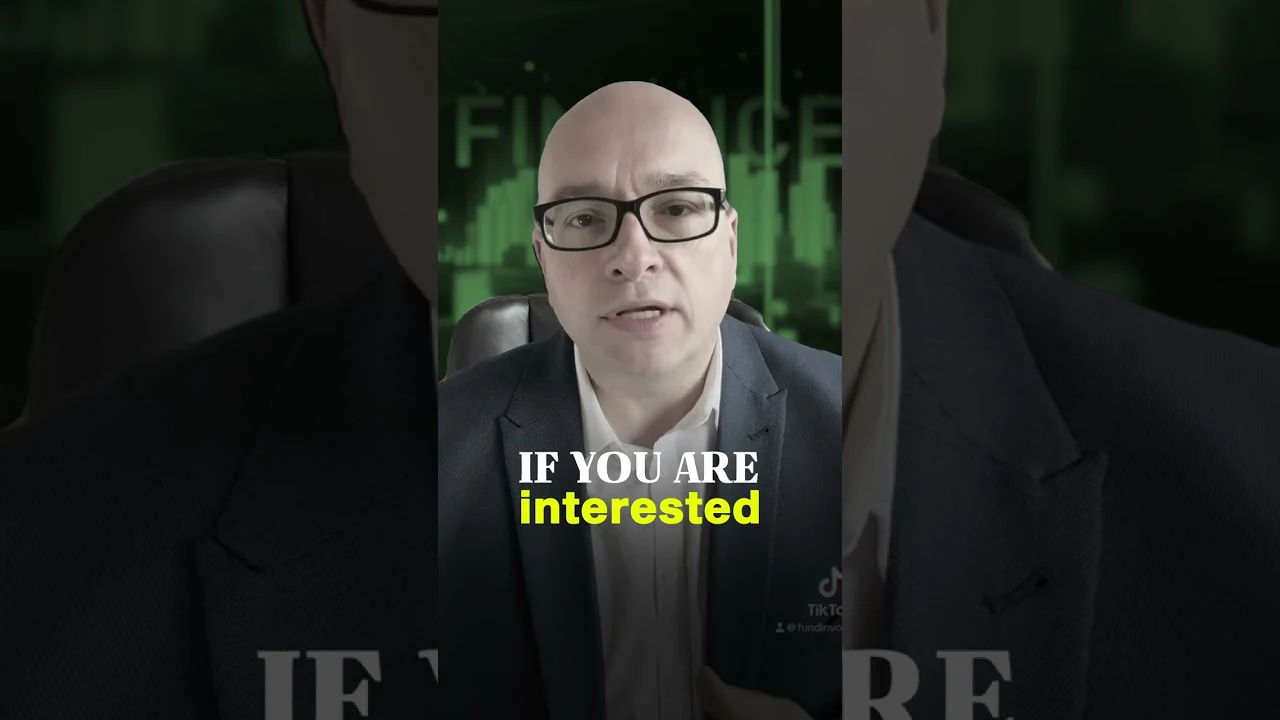
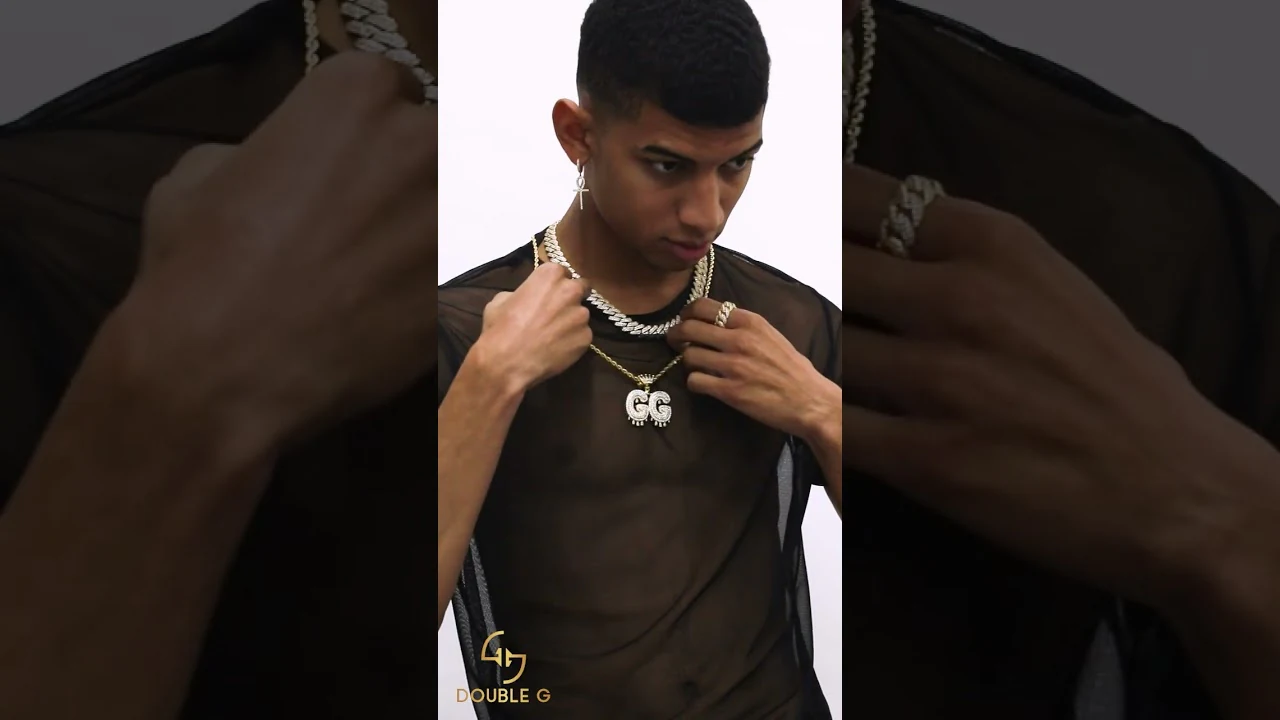










Most short form briefs are really selection problems. An hour of podcast contains maybe six moments that survive on their own: a claim, a disagreement, a number, a story with a beginning and an end inside forty seconds. Finding those decides whether the clip works. The cutting is what happens afterwards. Then it has to survive the format. A clip lifted from a 16:9 recording needs reframing that keeps the speaker's eyeline inside the vertical crop, captions that carry the line when the sound is off, and an opening that gives the viewer a reason to stay before the first sentence finishes.
Short form edits for Reels, Shorts, and TikTok
Captions, hooks, and platform-ready formatting
Built for social media, campaigns, and ongoing content
The moments from a long recording that hold up without the twenty minutes of context around them.
Camera footage tightened to strip restarts, filler and dead air so a rambling take becomes a clip worth posting.
16:9 recordings recut for a vertical screen with the speaker tracked through the frame rather than centre-cropped out of it.
Styled to your brand and baked into the file, because feeds autoplay muted and plenty of placements ignore an uploaded caption track.
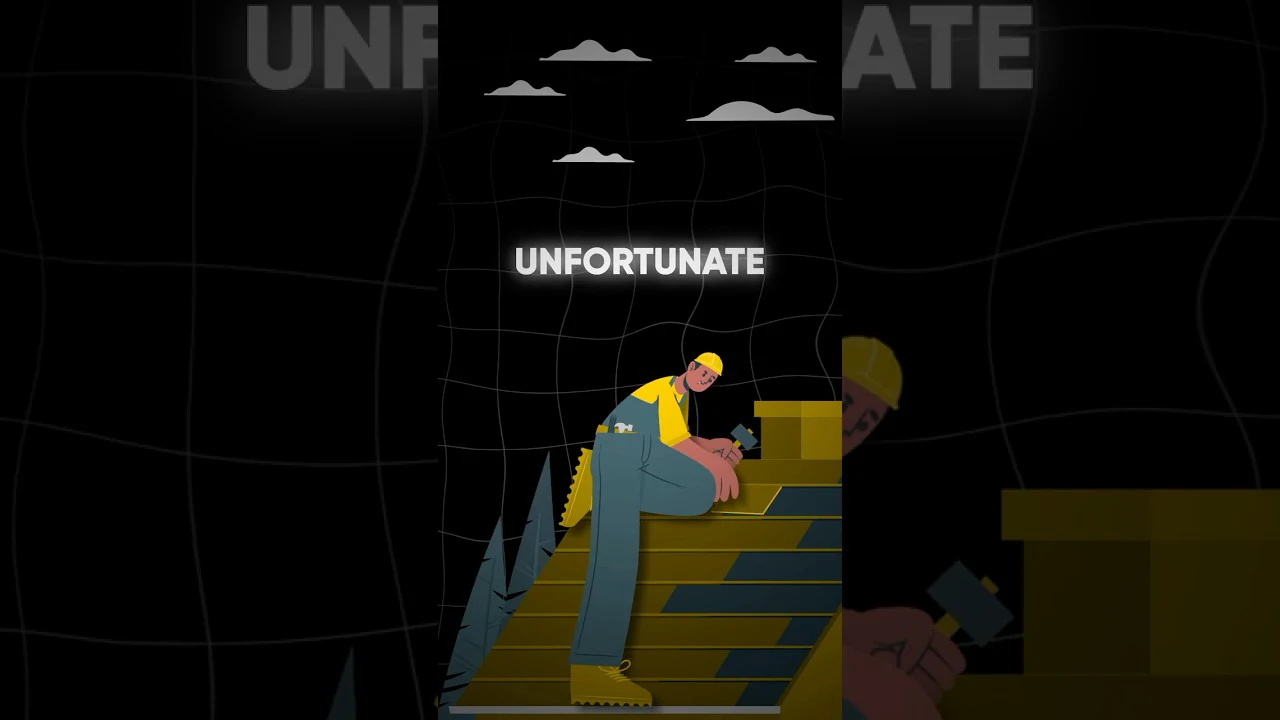
Fully animated pieces for subjects with no footage at all, where the idea has to hold curiosity without a presenter on screen.
Short vertical cuts that register the brand before your own content starts, built to hold fine detail at phone size.
A longer asset reduced to the version each placement needs, genuinely recut rather than sped up.
A single session turned into a run of clips for a content calendar, in one treatment so the set reads as related.
Raw footage, a podcast episode, a long recording, or a video that already published. Nothing needs filming at our end.
We watch the whole thing and mark the sections that can stand alone, then send them back with timecodes before any editing starts. Disagreeing about a moment is far cheaper than disagreeing about a finished clip.
A single clip gets built out fully: caption style, framing, pacing, on-screen text. You sign that off, and it becomes the template the batch is cut to.
Remaining clips are cut to the approved treatment, so the set looks like one body of work instead of eight separate edits.
Final files in the ratios you actually post in, captions burned in, named so they drop straight into a content calendar.
You are already producing long-form. The gap is turning each recording into the five or six clips hiding inside it before the next one lands.
You need clips produced to a consistent treatment, under your name, at whatever cadence the retainer promised.
Footage accumulates because editing is the step nobody has time for. This is that step, handled outside your week.
Who we are not the right fit for: briefs where we would need to film the source footage, teams wanting us to write and direct the content itself, and single one-off clips with nothing behind them. The value here compounds with volume.
Every quote comes down to the same handful of variables:
Pulling six clips out of a ninety-minute podcast means assessing ninety minutes. What you send matters as much as what you want back.
Sending timecoded selects is a different job from asking us to find the moments in the first place.
Plain readable captions are quick. Word-by-word animation, callouts and kinetic text are a motion job sitting on top of the edit.
Footage shot vertically needs no reframe. Multi-speaker 16:9 with people moving in frame needs one on every cut.
B-roll, screen recordings, graphics and lower thirds each add a pass that plain talking head does not need.
A one-off batch and a standing weekly volume scope differently, because a recurring set stops needing the treatment re-established each time.
We quote from the agreed source runtime, output count and treatment after confirming them at briefing.
Yes, and it is usually where we start. Podcast episodes, webinars, interviews, and recorded sessions carry more standalone moments than most teams expect, so repurposing an existing recording is normally more productive than filming something new for social.
Yes, they are part of short form editing rather than a separate service. What we confirm at briefing is the style: burned-in captions locked into the file, or a clean export plus a caption file so you use the platform's own. Burned-in gives you control of the look, platform captions are easier to correct after posting.
The material decides that, not the editing. A session covering several distinct ideas yields more standalone clips than one that circles a single point. We review the source, agree the batch and the cadence at briefing, and say honestly when a recording will not support what you had in mind.
Raw files through a cloud link, your brand kit, a caption style preference, and one or two clips whose look you want matched. We set the folder and naming structure at onboarding so every later batch arrives the same way and nothing is lost between rounds.

5.0 out of 5
Client feedback across platforms
Have recordings sitting there unclipped?
We use essential cookies. Analytics & marketing are optional. Privacy policy