Motion graphics and animation get used interchangeably, and most of the time that's harmless. It stops being harmless when you're writing a brief. The two formats need different things from you, run on different schedules, and cost different amounts — so agreeing which one you're commissioning is usually the fastest way to make a quote accurate.
Here's the practical difference, without the taxonomy argument.
The short version
What motion graphics are actually good at
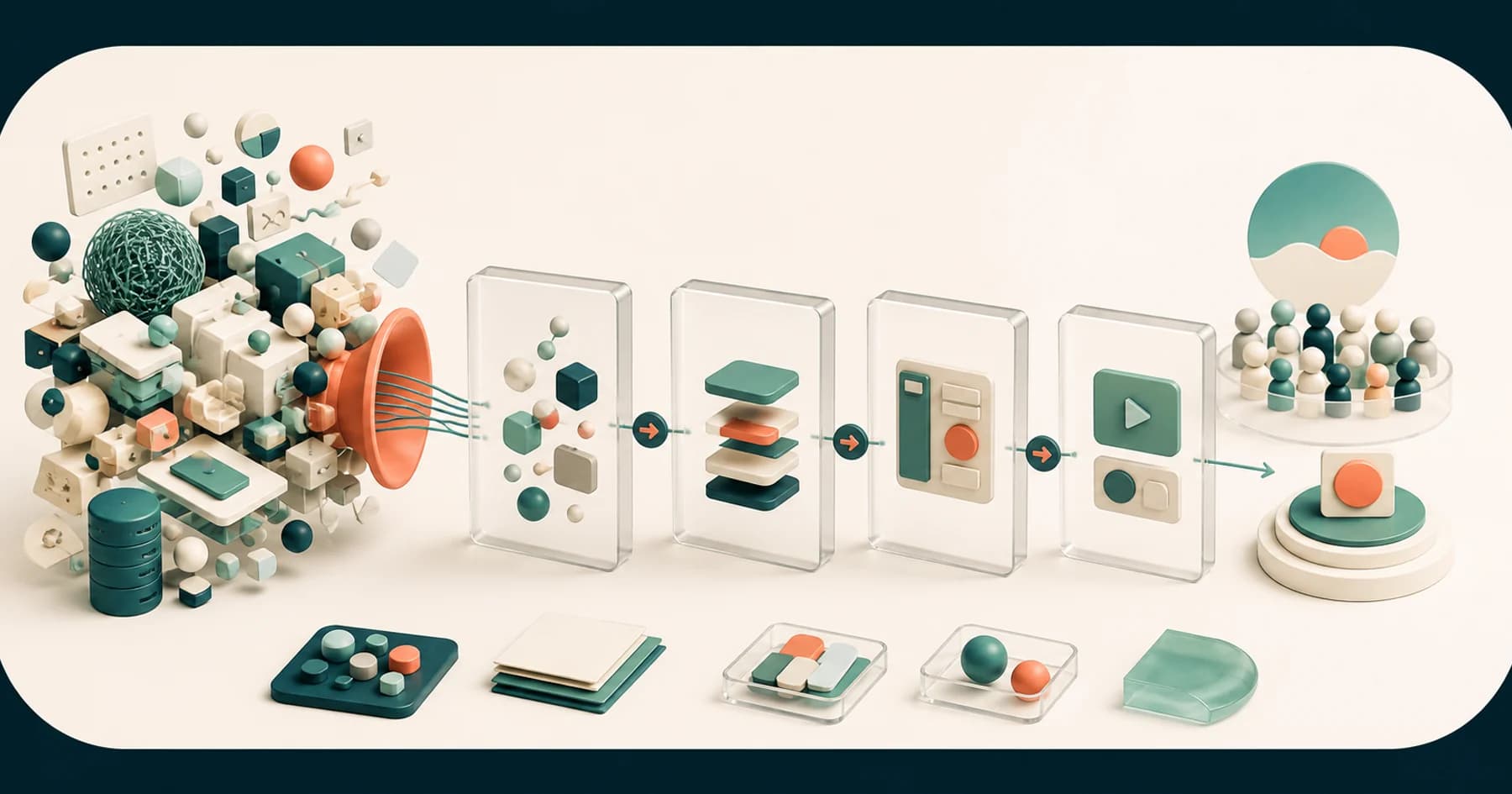
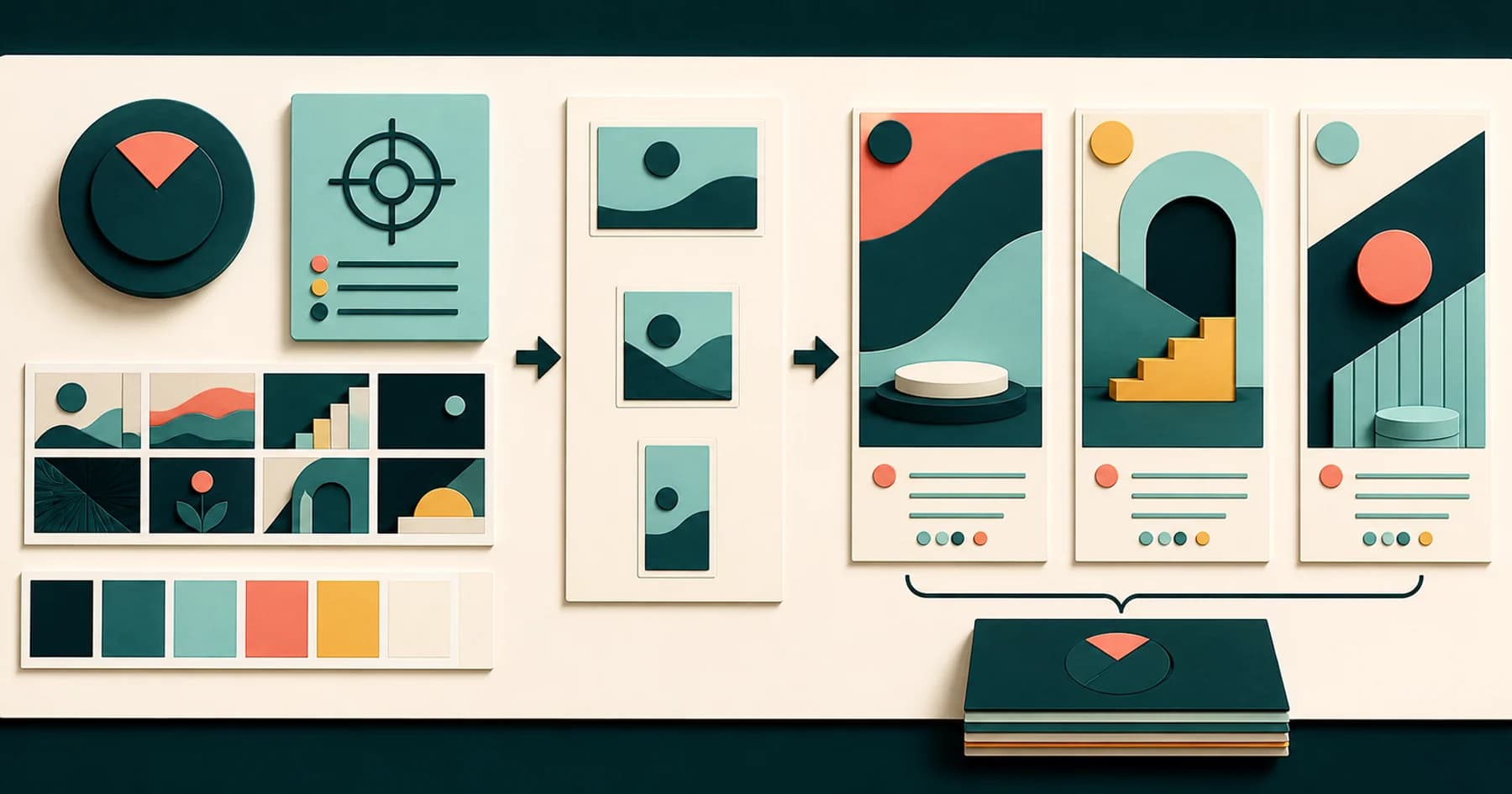
Motion graphics work with design elements — type, icons, shapes, charts, logos, UI, product screens. The job is arrangement, hierarchy, timing and emphasis.
The practical distinction most people miss is what happens before anything moves. Motion graphics start from assets that already exist. Your logo. Your typeface. Your product interface. The design work is deciding what appears when, what the eye should follow, and how fast. Nothing has to be invented from nothing.
That's why motion graphics turn around faster, why they stay consistent across a campaign, and why they're the default for anything explanatory: a chart that builds in the right order teaches something a static chart can't.
Where they're the right call: paid ads, landing page headers, product explainers, launch assets, social content, conference and event visuals, anything data-led.
What animation is actually good at
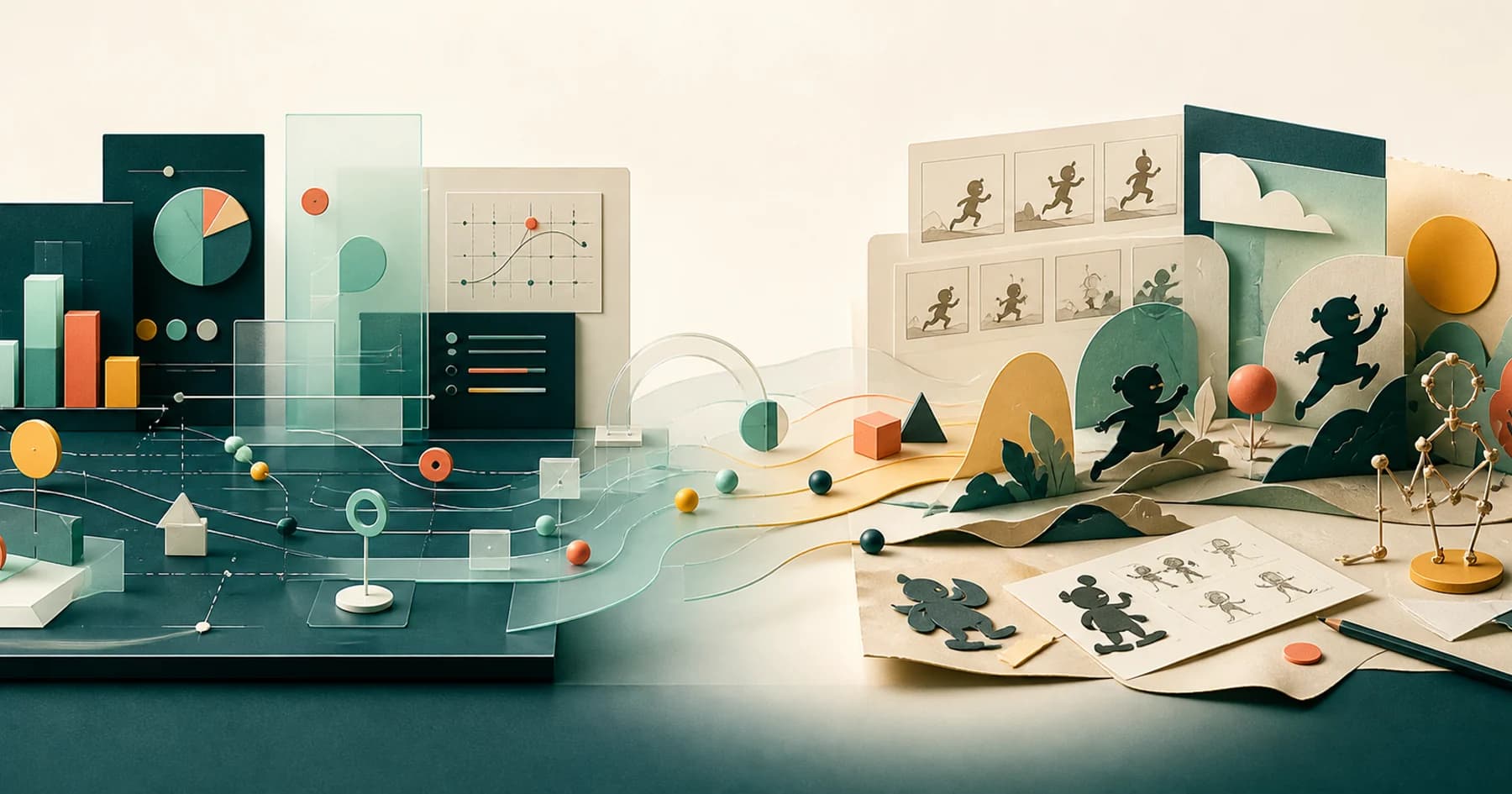
Animation adds a stage motion graphics doesn't have — everything on screen has to be designed or built before it can move. Characters need design sheets and turnarounds. Scenes need backgrounds. A story needs a storyboard that somebody signs off before a single frame is animated.
That stage is the real difference in cost and schedule. Not the animating — the building of everything that gets animated.
What you get in return is range. Animation can carry emotion, narrative and metaphor in a way that moving type cannot. If the thing you're selling needs the viewer to feel something before they understand it, that's animation territory.
Where it's the right call: brand films, narrative campaigns, anything with a character, concepts too abstract to show literally, content aimed at children.
Where logo animation fits
Logo animation sits slightly outside the comparison. It's a small, reusable motion asset — an intro, an outro, a sting, a moment on a website.
Of the three, it's the one most worth doing early. It's a single asset you then reuse across every video you make afterwards, so it pays for itself faster than any one-off piece. If you publish video with any regularity and you don't have one, that's usually the first gap to close.
The test that actually works
Ask whether you can describe what the viewer sees using things that already exist.
If the answer is yes — your interface, your logo, your data, your footage — it's motion graphics. If you have to invent what they see, it's animation.
Plenty of projects need both. A product explainer might use motion graphics for the interface sequences, light 2D animation for a metaphor in the middle, and a logo animation to close. Mixing is completely normal. Knowing which half is which is what makes the brief accurate and the quote real.
Before you brief anyone
Whichever direction you land on, three things decide how smoothly it goes:
Know the placement first. A piece built for a paid feed and a piece built for a conference screen are different designs, not the same design in different sizes. Deciding placement last is the most common cause of a rebuild.
Check what state your assets are in. Vector logos, layered files and live product access make everything faster. A flattened JPEG of your logo means somebody rebuilds it before the real work starts.
Sign off the message before commissioning the visuals. Motion can clarify a message. It can't rescue one that hasn't been decided. Script changes after animation begins are expensive in a way that script changes before it are not.
If it turns out you need the first kind, our motion graphics services page covers what a project involves and what we need from you.